Joe was making crème brûlée for dessert, as Frenchmen do, for the guests they were having for dinner. A few more had decided to come, so he kissed his beautiful partner Natalie and went to the local supermarket to buy more cream.
While he was there, Joe experienced chest pain and alerted staff that he was in trouble. The local ambulance service was called and arrived to assess him. They quickly realised his condition was critical, and an air ambulance was organised. He was losing consciousness but managed to enter the pin number on his phone so the crew could notify Natalie of what was happening.
Before long, Joe was in the air, being flown to a major Melbourne hospital, it had become clear he was suffering a catastrophic dissected aorta. Natalie, meanwhile, was following by road to meet him where he would land. But his condition took a turn for the worse, and by the time he was admitted to Emergency, he had died. Natalie received the call while she was on the side of the Maroondah Highway, in absolute shock and despair. The love of her life had left to go to the supermarket for more cream, and now he was gone. She was advised to turn around and go home; there was nothing more she could do. That image is everyone’s worst nightmare, and Natalie was living it.
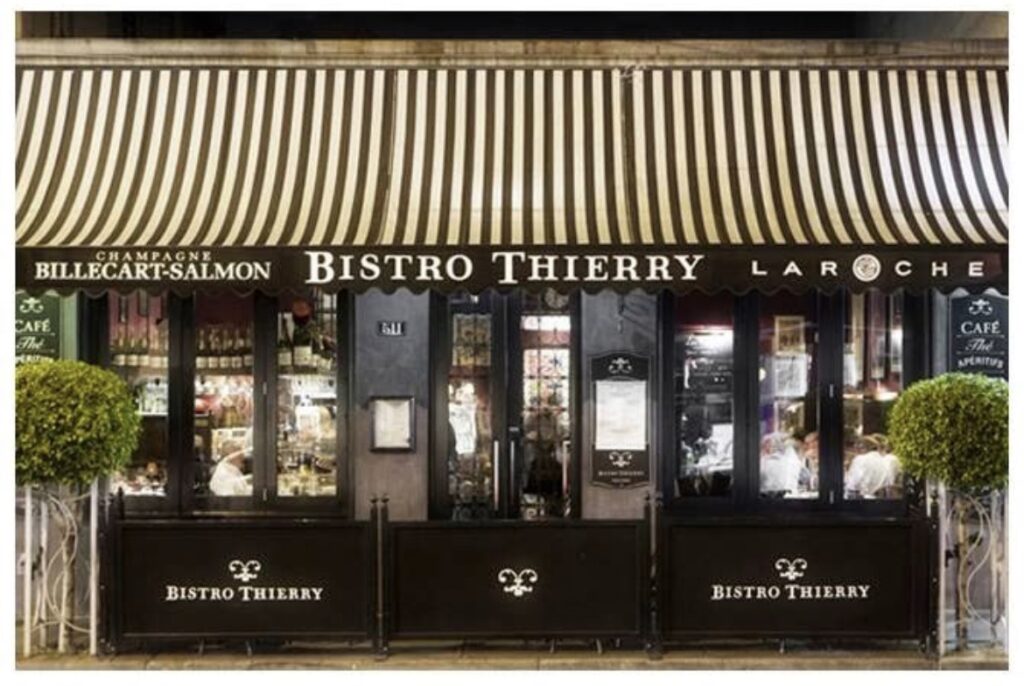
Because Joe’s death was unexpected, he was taken to the coroner for investigation into its cause. After two weeks, Natalie was asked to come and identify him, so I drove to Melbourne with her as her support. It was an experience no one should ever have to go through, but she was so brave, and I walked with her through the experience. A thought kept running through my mind: how do you turn such a horrific day into something special? What came to mind was a French restaurant my sister and my dad’s partner, Riitta, would visit every year to celebrate my dad’s birthday, something we did to remember him after his passing. I suggested we go to Bistro Thierry and raise a glass of French champagne to celebrate Joe. Natalie’s face lit up as tears rolled down her cheeks. “That’s a fantastic idea,” she said. Champagne turned into a beautiful French meal, no expense spared, as we celebrated and remembered Joe’s life.
On the drive home, I thought about how sudden all of this had been, not just for Natalie, but for Joe’s two young sons, seventeen and nineteen, who had also been through the shock of losing their dad without warning. That’s when another idea came to me. I bravely asked Natalie if she would consider bringing Joe home to Rosehaven. At first, she wasn’t sure what I meant, but once she understood, she said she’d sit with the idea.
The following day, Natalie came back with her answer: She felt that this would be a gentle opportunity for both of his sons to see him and say goodbye. Over the next week, a room at Rosehaven was transformed into Joe’s. Natalie printed photographs from his life’s adventures and of the people who loved him, and she displayed them all around the room. His doona, his pillow, and the small things that carried his essence were arranged throughout the space. It was perfect.
Joe was brought to us by our local funeral company and gently placed into bed, on a cold plate beneath his doona, his head resting on his pillow. A candle was lit, and his favourite music played. The whole room resonated of Joe, with everything that made him who he was. It became a sacred space for Natalie and his boys, somewhere to slow everything down, catch their breath, and process what had happened. Staff and volunteers moved quietly in the background, ready to meet any need. We all knew how special this was, we were re-writing the story for them. What had been a fast, confronting ordeal could now be remembered differently: in their own time, at their own pace.